Year: 2023

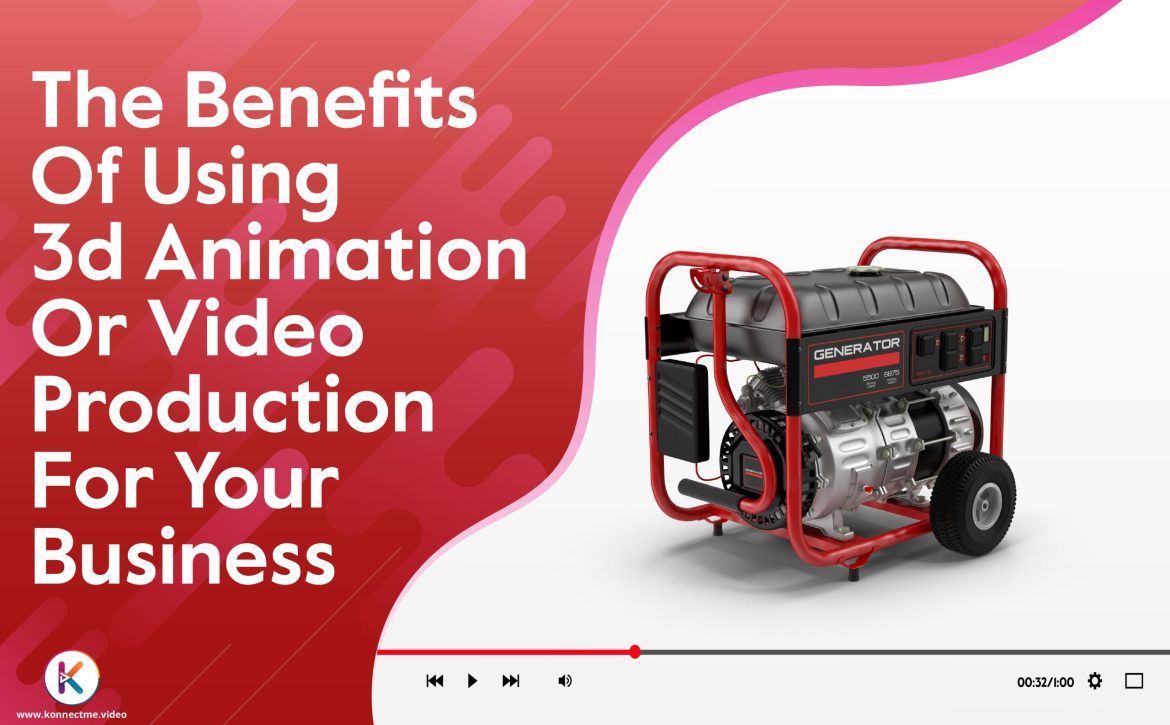
  • The benefits of using 3D animation for your business.

    The benefits of using 3D animation for your business.

    The benefits of using 3D animation for your business.

    In the dynamic world of business, where competition is fierce and consumer attention spans are dwindling, staying ahead of the curve is paramount. It’s a landscape where innovation and effective communication can make or break a brand. In this blog post, we delve into the transformative realm of 3D animation and the manifold advantages it brings to businesses seeking not just survival, but thriving in the digital age.

    Increased Brand Awareness

    In the age of information overload, standing out in the crowd is a formidable challenge. 3D animation has the power to make your brand unforgettable. With its ability to create captivating, immersive experiences, 3D animation can elevate your brand awareness to new heights. Imagine your logo or brand mascot brought to life in three dimensions, engaging your audience and leaving a lasting impression.

    Improved Website Traffic

    Your website is often the first point of contact between your business and potential customers. 3D animations can significantly improve website traffic by enhancing the overall user experience. Interactive 3D models, engaging product demos, or animated storytelling can entice visitors to stay longer, explore more, and ultimately convert into customers.

    Reduced Costs

    Contrary to what some may believe, incorporating 3D animation into your business strategy can actually reduce costs in the long run. While there may be initial investment, 3D animations can replace costly physical prototypes, reduce the need for extensive on-location shoots, and streamline the product development process. Over time, these savings can be substantial.

    Enhanced Realism

    One of the distinguishing features of 3D animation is its ability to convey a sense of realism that is hard to match with traditional 2D graphics. Whether you’re showcasing a product, a building, or a concept, 3D animations can bring it to life with intricate details, realistic lighting, and physics simulations. This enhanced realism can build trust and confidence among your audience.

    Long-Lasting Impact

    Creating a lasting impact on your audience is a key goal in marketing and branding. 3D animations have a unique ability to leave a profound impression. Their immersive nature and ability to tell compelling stories make them memorable. When done right, a 3D animated video or presentation can resonate with your audience long after they’ve viewed it, keeping your brand top of mind.

    Boosted Sales

    Ultimately, the success of any business hinges on its ability to drive sales. 3D animations can be a potent tool in your sales arsenal. They enable you to showcase products in a way that instills confidence in potential customers. Virtual walkthroughs, interactive product demos, and realistic visualizations can significantly influence buying decisions, leading to increased sales and revenue.

    Improved Communication

    Clear and effective communication is essential for business success. 3D animations can bridge language and cultural barriers, making complex ideas accessible to a global audience. They enable you to convey messages in a visually engaging manner, ensuring that your audience not only understands but also retains the information you share.

    Increased Creativity

    Creativity is the heart of innovation. 3D animations empower you to think outside the box and bring your wildest ideas to life. Whether you’re designing futuristic concepts, illustrating abstract concepts, or exploring fantastical worlds, 3D animations are the canvas upon which creativity knows no bounds.

    Closing Thoughts

    As we navigate the ever-evolving landscape of business, we find ourselves continually amazed by the transformative power of 3D animation. Its ability to captivate, engage, and convey complex ideas is unparalleled. Whether you’re in marketing, product development, or customer education, 3D animation offers a versatile and cost-effective solution to elevate your business.
    If you’ve been contemplating the integration of 3D animation into your business strategy, we strongly encourage you to take that leap. Embrace the power of visual storytelling, engage your audience like never before, and watch your business soar to new heights. It’s a journey worth embarking upon, and the rewards are boundless. In the digital age, staying ahead is not just an option; it’s a necessity. 3D animation is your key to unlocking new horizons of business success. Embrace it, and let your brand shine in the ever-evolving world of commerce.
  • How Videos Improve Training Engagement

    How Videos Improve Training Engagement

    How Videos Improve Training Engagement

    In the corporate landscape, training and development play a pivotal role in shaping employee skills and fostering growth. As the business world evolves, so do the methods of training delivery. Video-based training has emerged as a dynamic solution to enhance engagement and knowledge retention among employees. This blog post delves into the ways videos revolutionize training engagement, offering a compelling approach that aligns with the demands of modern learners.

    Section 1: The Impact of Video in Corporate Training

    The traditional approach to corporate training often involves dense presentations, lengthy reading materials, and in-person sessions. While these methods have their merits, they can fall short in capturing the attention of today’s multitasking, digitally-oriented workforce. Videos offer an innovative solution by incorporating visual and auditory elements that resonate with modern learners. With the ability to convey information in a dynamic and concise manner, videos effectively bridge the gap between theoretical concepts and real-world applications.

    Section 2: Enhancing Learning Retention through Visual Engagement

    The power of visual engagement cannot be overstated. Studies have shown that the human brain processes visual information faster and retains it longer than textual content. By integrating images, animations, and graphics, video-based training leverages the brain’s natural inclination towards visuals, resulting in improved learning retention. Whether it’s a 2D animation simplifying complex processes or a 3D simulation replicating real-world scenarios, videos ensure that learners grasp and remember crucial information.

    Section 3: Fostering a Learner-Centric Approach

    Personalized learning experiences are a hallmark of effective training. Video-based training empowers learners to access content at their own pace and convenience. Whether they’re visual learners who benefit from watching demonstrations or auditory learners who absorb information through narration, videos accommodate diverse learning preferences. The flexibility to rewind, pause, and revisit content encourages self-directed learning, allowing employees to master skills at a pace that suits their individual needs.

    Section 4: Captivating with Engaging Storytelling

    Humans are inherently drawn to stories. Video-based training allows organizations to integrate storytelling techniques that make learning relatable and memorable. By weaving narratives that connect theoretical concepts with real-world applications, videos resonate on a deeper level with learners. Whether it’s a case study, a scenario-based simulation, or a testimonial from a seasoned professional, storytelling adds a human touch to training content, enhancing engagement and understanding.

    Section 5: Demonstrating Complex Procedures with Clarity

    In fields that involve intricate procedures and processes, video-based training shines. Whether it’s software tutorials, medical procedures, or manufacturing workflows, videos provide an unmatched clarity that textual explanations struggle to deliver. 2D and 3D animations break down complex steps into digestible visual sequences, ensuring that learners comprehend each stage of a process. This visual clarity reduces the chances of errors and misunderstandings, contributing to enhanced competency and confidence among employees.

    Section 6: Fostering Interactivity and Engagement

    Interactive learning experiences are proven to enhance engagement and knowledge retention. Video-based training can incorporate interactive elements such as quizzes, polls, and clickable hotspots. These features transform passive watching into active participation, stimulating critical thinking and reinforcing learning outcomes. Moreover, learners receive immediate feedback, enabling them to identify areas of improvement and address misconceptions in real time.

    Section 7: Supporting Remote Learning and Global Outreach

    The rise of remote work and global teams has underscored the importance of accessible training content. Video-based training transcends geographical boundaries, ensuring that employees across different locations receive consistent and standardized learning experiences. Whether it’s a new employee onboarding or upskilling a team spread across continents, videos provide a unified platform for training delivery, reducing the logistical challenges associated with in-person sessions.

    Section 8: Measuring Progress and Analytics

    Effective training goes beyond content delivery; it involves tracking progress and evaluating outcomes. Video-based training platforms often offer analytics that provides insights into learner engagement, completion rates, and areas of improvement. Organizations can identify which sections of the training are resonating with learners and which might require further clarification. This data-driven approach empowers organizations to continuously optimize their training materials and strategies for maximum impact.

    Section 9: Embracing the Future of Training with Videos

    As technology continues to advance, video-based training is poised to play an even more significant role in corporate learning. The integration of artificial intelligence, virtual reality, and augmented reality promises to elevate training experiences to unprecedented levels of immersion and interactivity. The ability to create lifelike simulations and scenarios opens doors to training that replicates real-world challenges, preparing employees for complex situations they might encounter. By embracing the potential of video-based training, organizations position themselves at the forefront of innovative learning solutions, ensuring that their workforce remains skilled, engaged, and adaptable in an ever-evolving business landscape.
  • Learn how to boost B2B strategy with animated videos

    Learn how to boost B2B strategy with animated videos

    B2B marketing is evolving rapidly. Businesses are now looking for smarter ways to communicate their ideas. Traditional methods often fail to explain complex services clearly.

    Animated videos provide a powerful solution. They simplify information and deliver messages in an engaging format. As a result, businesses can connect with their audience more effectively.

    Understanding the Role of Animated Videos in B2B

    Animated videos play a key role in modern B2B marketing. They help brands present complex concepts in a simple and visual way.

    These videos are designed to educate, inform, and convert potential clients. In addition, they improve communication across different stages of the buyer journey.

    Why Animated Videos Are Effective for B2B Strategy

    Simplifying Complex Information

    B2B services are often technical. Animated videos break down complicated ideas into simple visuals. Therefore, they improve understanding.

    Increasing Engagement

    Users prefer watching videos over reading long text. As a result, animated videos keep visitors engaged for a longer time.

    Improving Conversion Rates

    Videos explain your value quickly. This helps users make decisions faster. Therefore, conversion rates increase.

    Strengthening Brand Identity

    Animation allows creative storytelling. It helps businesses build a strong and unique brand image.

    Key Types of Animated Videos for B2B

    Explainer Videos

    Explainer videos present your services in a simple and engaging way. They are ideal for homepage and landing pages.

    Product Demo Videos

    These videos show how your product works. They highlight features and benefits clearly.

    Corporate Videos

    Corporate videos share your company story. They build trust and credibility among clients.

    Training and Educational Videos

    These videos help employees and clients understand processes easily. They also improve learning efficiency.

    How Animated Videos Transform B2B Marketing Strategy

    Enhancing Communication

    Animated videos make communication faster and clearer. They reduce confusion and deliver key messages effectively.

    Supporting SEO Growth

    Websites with videos perform better in search rankings. In addition, videos increase dwell time and reduce bounce rate.

    Boosting Lead Generation

    Videos attract more users and encourage them to take action. Therefore, they help generate quality leads.

    Building Trust and Credibility

    Professional videos create a strong impression. They make your business look reliable and trustworthy.

    B2B marketing is evolving rapidly. Businesses are now looking for smarter ways to communicate their ideas. Traditional methods often fail to explain complex services clearly.

    Animated videos provide a powerful solution. They simplify information and deliver messages in an engaging format. As a result, businesses can connect with their audience more effectively.

  • How Animated Videos Help Save Paper and Promote Sustainability

    How Animated Videos Help Save Paper and Promote Sustainability

    In today’s fast-moving digital world, businesses are shifting towards smarter communication methods. Instead of using printed materials, companies are now choosing animated videos.

    This shift is not only modern but also environmentally friendly. Animated videos help reduce paper usage and support sustainable practices. Moreover, they improve communication and audience engagement.

    The Environmental Impact of Paper Usage

    Paper production has a serious impact on the environment. It requires cutting trees, using large amounts of water, and consuming energy.

    As a result, it leads to deforestation and increased carbon emissions. However, reducing paper usage can help protect natural resources.

    Therefore, businesses must look for better alternatives like digital content and animation.

    Animated Videos as a Sustainable Alternative

    Animated videos provide a powerful alternative to traditional paper-based materials. Instead of printing brochures or manuals, companies can create engaging videos.

    For example, an explainer video can replace a printed guide. Similarly, a product demo video can replace catalogs.

    In addition, videos can be updated easily without wasting resources. This makes them more sustainable and efficient.

    Reducing Waste Through Digital Communication

    Digital communication eliminates the need for physical materials. Animated videos can be shared instantly across multiple platforms.

    Because of this, businesses can reduce waste and save costs. Moreover, there is no need for printing, storage, or transportation.

    As a result, animation supports a cleaner and greener environment.

    Improving Engagement While Saving Resources

    Printed content often fails to capture attention. On the other hand, animated videos are visually appealing and easy to understand.

    They combine visuals, sound, and storytelling. Therefore, users stay engaged for a longer time.

    Furthermore, people remember visual content better than text. This improves communication without using paper.

    Cost and Long-Term Benefits

    Printing materials again and again can be expensive. Every update requires new printing.

    However, animated videos can be edited and reused anytime. This reduces long-term costs.

    In addition, one video can be used on websites, social media, and marketing campaigns. Therefore, it offers better value for money.

    Building an Eco-Friendly Brand Image

    Modern customers prefer brands that care about sustainability. Using animated videos shows your commitment to the environment.

    Moreover, it creates a positive brand image. Businesses can also use videos to highlight their eco-friendly initiatives.

    As a result, it builds trust and improves customer loyalty.

  • Mastering the Art of Memes and GIFs: A Playful Guide to Effective Marketing

    Mastering the Art of Memes and GIFs: A Playful Guide to Effective Marketing

    In the ever-evolving landscape of digital marketing, creativity knows no bounds. Memes and GIFs, once the realm of internet humor, have become powerful tools for engaging audiences and conveying messages in a fun and relatable way. If you’re looking to infuse your marketing strategy with a dose of playfulness and shareability, this guide will walk you through the art of using memes and GIFs to captivate your audience and boost your brand presence.

    Section 1: The Rise of Memes and GIFs in Marketing

    In the fast-paced world of online content consumption, attention spans are shorter than ever. This is where memes and GIFs shine. A meme is a humorous image or piece of text that spreads virally with variations, while a GIF (Graphics Interchange Format) is a short, looping animation. These visual elements inject life into your marketing campaigns, instantly grabbing attention and making a memorable impression. They’re like mini-videos that don’t require audio, perfect for capturing the essence of your message in a matter of seconds.

    Memes and GIFs are an integral part of internet culture, and when harnessed correctly, they can help your brand tap into popular trends and conversations. By incorporating these elements into your marketing strategy, you’re not just advertising – you’re participating in a dynamic, interactive dialogue with your audience.

    Section 2: The Science Behind Memes and GIFs Engagement

    Ever wondered why memes and GIFs are so engaging? It all boils down to psychology. Our brains are wired to process visuals faster than text, making these bite-sized content pieces highly effective in conveying messages. Additionally, humor triggers an emotional response, which leads to increased sharing and engagement. When you combine a relatable image with a witty caption or animation, you create a powerful formula that sparks connection and resonates with your target audience.

    Memes and GIFs also capitalize on the FOMO (Fear of Missing Out) phenomenon. As trends come and go at lightning speed in the digital realm, people are eager to be part of the conversation. By leveraging timely and relevant memes or GIFs, you can create a sense of urgency and encourage your audience to engage with your content before it becomes outdated.

    Section 3: Crafting Memes and GIFs That Convert

    Design is at the heart of effective memes and GIFs for marketing. To create content that resonates, start with a clear understanding of your brand’s voice, tone, and values. Consistency is key to building a recognizable identity that stands out in a sea of online content. Incorporate your brand elements, such as logo, colors, and typography, into your memes and GIFs to maintain a cohesive look.

    When designing memes, consider the rule of simplicity. The image and text should work harmoniously, and the message should be conveyed in a split second. Choose relatable images that align with your message, and ensure the text is concise and impactful. For GIFs, focus on creating short, loopable animations that convey your message in a continuous cycle, encouraging viewers to watch it multiple times.

    Section 4: Tapping into Trends and Pop Culture

    Memes and GIFs are at their most potent when they tap into current trends and pop culture references. Stay attuned to social media conversations, viral challenges, and trending hashtags. If a particular meme or GIF is making waves, consider how you can cleverly incorporate it into your marketing strategy. However, always ensure that the trend aligns with your brand’s message and values to avoid coming across as inauthentic or opportunistic.

    Take advantage of major events, holidays, and celebrations to create timely and relevant content. Whether it’s a holiday-themed GIF or a meme that references a popular event, your audience will appreciate your ability to join the conversation in a light-hearted and relatable manner.

    Section 5: Injecting Humor and Personality

    Humor is a universal language that can bridge gaps and connect people. When crafting memes and GIFs, don’t hesitate to inject humor and personality. A well-timed joke or a witty caption can make your content stand out and leave a lasting impression. Keep in mind that humor is subjective, so it’s important to know your audience and their preferences.

    A playful and relatable tone can also humanize your brand, making it more approachable and trustworthy. Sharing funny, light-hearted content shows that you don’t take yourself too seriously and can create a sense of camaraderie between your brand and your audience.

    Section 6: Memes and GIFs as Storytelling Tools

    Behind every meme and GIF is an opportunity to tell a story. These visual elements can condense complex narratives into easily digestible snippets. Whether you’re showcasing a product’s features or highlighting a customer success story, memes and GIFs provide a platform to convey information in an engaging and memorable way.

    Consider creating a series of memes or GIFs that build upon each other, forming a cohesive narrative. This approach encourages your audience to stay engaged and follow along, eager to see how the story unfolds. Just like a captivating movie trailer, your memes and GIFs can leave viewers curious and wanting more.

    Section 7: Integrating Memes and GIFs Across Platforms

    The versatility of memes and GIFs allows you to seamlessly integrate them across various platforms. From social media posts and stories to email campaigns and blog content, these visual elements can enhance your overall marketing strategy. When posting on social media, leverage hashtags and interactive features like polls and quizzes to encourage audience participation and boost your reach.

    In email campaigns, consider using GIFs to create eye-catching headers or showcase product features. Animated elements can breathe life into static content, increasing engagement and click-through rates. When sharing memes and GIFs on your blog or website, ensure they align with the surrounding content and contribute to the overall user experience.

    Section 8: The Power of User-Generated Memes and GIFs

    User-generated content (UGC) is a goldmine for authentic and relatable memes and GIFs. Encourage your audience to create and share content related to your brand, products, or services. Whether it’s through a contest, challenge, or simply asking for submissions, UGC fosters a sense of community and involvement.

    Sharing UGC memes and GIFs not only provides fresh and diverse content but also showcases the genuine enthusiasm of your customers. It’s a testament to the impact your brand has on people’s lives, and it reinforces the idea that your brand is more than just a product – it’s a part of their identity.

    Section 9: Measuring Success and Iterating

    As with any marketing strategy, it’s crucial to measure the success of your meme and GIF campaigns. Monitor metrics such as engagement rates, shares, comments, and website traffic to gauge the effectiveness of your content. Social media analytics tools and marketing platforms can provide valuable insights into how your memes and GIFs are resonating with your audience.

    Based on your analysis, iterate and refine your approach. Pay attention to which memes and GIFs perform best and try to identify patterns in terms of content, timing, and design. Continuously experiment with different styles, themes, and messaging to keep your audience engaged and excited.

    Mastering the Art of Memes and GIFs: A Playful Guide to Effective Marketing

    In the ever-evolving landscape of digital marketing, creativity knows no bounds. Memes and GIFs, once the realm of internet humor, have become powerful tools for engaging audiences and conveying messages in a fun and relatable way. If you’re looking to infuse your marketing strategy with a dose of playfulness and shareability, this guide will walk you through the art of using memes and GIFs to captivate your audience and boost your brand presence.

    Section 1: The Rise of Memes and GIFs in Marketing

    In the fast-paced world of online content consumption, attention spans are shorter than ever. This is where memes and GIFs shine. A meme is a humorous image or piece of text that spreads virally with variations, while a GIF (Graphics Interchange Format) is a short, looping animation. These visual elements inject life into your marketing campaigns, instantly grabbing attention and making a memorable impression. They’re like mini-videos that don’t require audio, perfect for capturing the essence of your message in a matter of seconds.
    Memes and GIFs are an integral part of internet culture, and when harnessed correctly, they can help your brand tap into popular trends and conversations. By incorporating these elements into your marketing strategy, you’re not just advertising – you’re participating in a dynamic, interactive dialogue with your audience.

    Section 2: The Science Behind Memes and GIFs Engagement

    Ever wondered why memes and GIFs are so engaging? It all boils down to psychology. Our brains are wired to process visuals faster than text, making these bite-sized content pieces highly effective in conveying messages. Additionally, humor triggers an emotional response, which leads to increased sharing and engagement. When you combine a relatable image with a witty caption or animation, you create a powerful formula that sparks connection and resonates with your target audience.
    Memes and GIFs also capitalize on the FOMO (Fear of Missing Out) phenomenon. As trends come and go at lightning speed in the digital realm, people are eager to be part of the conversation. By leveraging timely and relevant memes or GIFs, you can create a sense of urgency and encourage your audience to engage with your content before it becomes outdated.

    Section 3: Crafting Memes and GIFs That Convert

    Design is at the heart of effective memes and GIFs for marketing. To create content that resonates, start with a clear understanding of your brand’s voice, tone, and values. Consistency is key to building a recognizable identity that stands out in a sea of online content. Incorporate your brand elements, such as logo, colors, and typography, into your memes and GIFs to maintain a cohesive look.
    When designing memes, consider the rule of simplicity. The image and text should work harmoniously, and the message should be conveyed in a split second. Choose relatable images that align with your message, and ensure the text is concise and impactful. For GIFs, focus on creating short, loopable animations that convey your message in a continuous cycle, encouraging viewers to watch it multiple times.

    Section 4: Tapping into Trends and Pop Culture

    Memes and GIFs are at their most potent when they tap into current trends and pop culture references. Stay attuned to social media conversations, viral challenges, and trending hashtags. If a particular meme or GIF is making waves, consider how you can cleverly incorporate it into your marketing strategy. However, always ensure that the trend aligns with your brand’s message and values to avoid coming across as inauthentic or opportunistic.
    Take advantage of major events, holidays, and celebrations to create timely and relevant content. Whether it’s a holiday-themed GIF or a meme that references a popular event, your audience will appreciate your ability to join the conversation in a light-hearted and relatable manner.

    Section 5: Injecting Humor and Personality

    Humor is a universal language that can bridge gaps and connect people. When crafting memes and GIFs, don’t hesitate to inject humor and personality. A well-timed joke or a witty caption can make your content stand out and leave a lasting impression. Keep in mind that humor is subjective, so it’s important to know your audience and their preferences.
    A playful and relatable tone can also humanize your brand, making it more approachable and trustworthy. Sharing funny, light-hearted content shows that you don’t take yourself too seriously and can create a sense of camaraderie between your brand and your audience.

    Section 6: Memes and GIFs as Storytelling Tools

    Behind every meme and GIF is an opportunity to tell a story. These visual elements can condense complex narratives into easily digestible snippets. Whether you’re showcasing a product’s features or highlighting a customer success story, memes and GIFs provide a platform to convey information in an engaging and memorable way.
    Consider creating a series of memes or GIFs that build upon each other, forming a cohesive narrative. This approach encourages your audience to stay engaged and follow along, eager to see how the story unfolds. Just like a captivating movie trailer, your memes and GIFs can leave viewers curious and wanting more.

    Section 7: Integrating Memes and GIFs Across Platforms

    The versatility of memes and GIFs allows you to seamlessly integrate them across various platforms. From social media posts and stories to email campaigns and blog content, these visual elements can enhance your overall marketing strategy. When posting on social media, leverage hashtags and interactive features like polls and quizzes to encourage audience participation and boost your reach.
    In email campaigns, consider using GIFs to create eye-catching headers or showcase product features. Animated elements can breathe life into static content, increasing engagement and click-through rates. When sharing memes and GIFs on your blog or website, ensure they align with the surrounding content and contribute to the overall user experience.

    Section 8: The Power of User-Generated Memes and GIFs

    User-generated content (UGC) is a goldmine for authentic and relatable memes and GIFs. Encourage your audience to create and share content related to your brand, products, or services. Whether it’s through a contest, challenge, or simply asking for submissions, UGC fosters a sense of community and involvement.
    Sharing UGC memes and GIFs not only provides fresh and diverse content but also showcases the genuine enthusiasm of your customers. It’s a testament to the impact your brand has on people’s lives, and it reinforces the idea that your brand is more than just a product – it’s a part of their identity.

    Section 9: Measuring Success and Iterating

    As with any marketing strategy, it’s crucial to measure the success of your meme and GIF campaigns. Monitor metrics such as engagement rates, shares, comments, and website traffic to gauge the effectiveness of your content. Social media analytics tools and marketing platforms can provide valuable insights into how your memes and GIFs are resonating with your audience.
    Based on your analysis, iterate and refine your approach. Pay attention to which memes and GIFs perform best and try to identify patterns in terms of content, timing, and design. Continuously experiment with different styles, themes, and messaging to keep your audience engaged and excited.
  • How to use video to drive traffic to your website

    How to use video to drive traffic to your website

    How to use video to drive traffic to your website

    Video is a powerful tool that can be used to drive traffic to your website. In fact, according to a study by Wyzowl, 85% of businesses that use video marketing report that it has increased website traffic. As the saying goes, “A picture is worth a thousand words,” and a video is worth even more. With the popularity of video content on platforms like YouTube, Facebook, Instagram, and TikTok, businesses and content creators have recognized the immense potential of videos in attracting and engaging audiences. In this blog, we will explore effective strategies to leverage videos to boost website traffic, enhance user engagement, and ultimately, achieve your marketing goals.

    Creating Compelling Video Content

    The first step to driving traffic to your website using videos is to produce captivating and high-quality content. A well-crafted video can leave a lasting impact on viewers, encouraging them to visit your website for more information or to explore your products and services. Here are some essential tips for creating compelling video content:

    a) Know your audience: Understanding your target audience’s interests, preferences, and pain points will help you tailor your videos to meet their specific needs.

    b) Keep it concise: Attention spans are limited, especially online. Aim to deliver your message succinctly, keeping videos around 1 to 3 minutes in length.

    c) High production value: Invest in good equipment and editing software to ensure your videos look professional and visually appealing.

    d) Tell a story: Stories have a unique ability to captivate audiences. Craft a narrative that connects with your viewers emotionally and inspires action.

    e) Optimize for mobile: As most users consume videos on mobile devices, ensure your videos are mobile-friendly and load quickly.

    YouTube Channel Optimization

    YouTube, with over 2 billion logged-in monthly users, is one of the most significant platforms to promote your videos and drive traffic to your website. To optimize your YouTube channel for maximum visibility and engagement, consider the following:

    a) Keyword research: Use tools like Google Keyword Planner to identify relevant keywords and incorporate them into your video titles, descriptions, and tags.

    b) Compelling thumbnails: Eye-catching thumbnails can significantly increase click-through rates. Use custom thumbnails that represent the video’s content and spark curiosity.

    c) Calls to action (CTAs): Encourage viewers to visit your website by including CTAs in your video and description, inviting them to explore further or sign up for exclusive content.

    d) Playlists and end screens: Organize your videos into playlists to keep viewers engaged and use end screens to promote related videos or your website.

    Social Media Integration

    Social media platforms are hotbeds for video content, and leveraging them strategically can boost your website traffic. Here’s how:

    a) Native uploads: Instead of merely sharing YouTube links, upload videos directly to platforms like Facebook, Instagram, and LinkedIn. Native uploads often receive better visibility and engagement.

    b) Teasers and snippets: Tease your full-length videos with short clips or snippets on social media. Create curiosity and direct users to your website to watch the complete video.

    c) Shareable content: Craft shareable and relatable videos that users would want to share with their friends and followers, expanding your reach organically.

    d) Influencer collaborations: Partner with influencers in your niche to create engaging video content. Influencers’ loyal followers can become potential visitors to your website.

    Video SEO for Website Integration

    To drive traffic from video platforms to your website, it’s essential to implement video SEO best practices. Follow these tips:

    a) Video sitemap: Create a video sitemap and submit it to search engines like Google to ensure your videos appear in search results.

    b) Schema markup: Add schema markup to your video pages to provide search engines with additional information about your videos, improving their visibility.

    c) Embed videos on your website: Embedding videos directly on your website can increase engagement and dwell time, leading to improved search rankings.

    d) Optimize video titles and descriptions: Use relevant keywords in your video titles and descriptions to rank higher in search results.

    Engaging in Video Email Marketing

    Email marketing remains a potent tool for driving traffic to your website. Including videos in your email campaigns can significantly enhance their effectiveness:

    a) Personalization: Tailor your videos to suit the interests and preferences of your email subscribers for a more personalized experience.

    b) Video thumbnails: Use video thumbnails in your emails to capture recipients’ attention and increase click-through rates.

    c) Landing pages: Create dedicated landing pages for your videos and direct email recipients to these pages for a seamless user journey.

    Conclusion

    In today’s digital age, videos have become an essential part of a successful online marketing strategy. By creating compelling video content, optimizing YouTube channels, integrating with social media, implementing video SEO, and leveraging video email marketing, you can drive substantial traffic to your website. Remember to continually analyze and optimize your video marketing efforts to stay ahead of the competition and connect with your audience effectively. Embrace the power of videos and watch as your website traffic soars to new heights.

    With the right approach and a little creativity, videos can become the driving force behind your website’s success, elevating your brand, boosting engagement, and converting visitors into loyal customers. So, why wait? Start harnessing the potential of videos today and unlock a world of opportunities for your online presence.
  • How to Choose the Right 3D Animation Studio for Your Business

    How to Choose the Right 3D Animation Studio for Your Business

    In today’s fast-paced digital world, businesses, including manufacturing units, are constantly seeking innovative ways to engage their audience and showcase their products or services. One powerful tool that has gained immense popularity is 3D animation. It allows manufacturing businesses to present their offerings in a visually captivating manner, making it easier for potential clients to understand complex concepts and features. However, not all 3D animation studios are created equal, and choosing the right one for your manufacturing business can be a critical decision. In this blog, we will guide you through the essential factors to consider when selecting a 3D animation studio that targets manufacturing units.

    1. Industry Experience and Expertise:

    The first and most crucial aspect to consider is the animation studio’s experience and expertise in the manufacturing sector. Look for a studio that has a proven track record of creating 3D animations for similar businesses or industries. A studio with a deep understanding of manufacturing processes, machinery, and technical details will be better equipped to visualize and present your products effectively.

    2. Portfolio and Past Projects:

    Review the studio’s portfolio and past projects to assess the quality and diversity of their work. Look for animations that demonstrate attention to detail, realism, and a knack for storytelling. A reliable studio will have a portfolio showcasing a range of manufacturing-related animations, including product demonstrations, assembly processes, or factory walkthroughs.

    3. Creativity and Innovation:

    Choose a studio that excels in creativity and innovation. 3D animation can be a powerful tool to showcase your manufacturing products in unique and imaginative ways. A studio that can think outside the box and offer fresh perspectives will help your business stand out from the competition.

    4. Understanding of Your Vision:

    Communication is key when working with any creative agency. The studio you choose should take the time to understand your business, your products, and your vision. A collaborative approach will ensure that the final animation aligns with your brand identity and marketing goals.

    5. Animation Techniques and Technology:

    Inquire about the animation techniques and technology used by the studio. The animation industry is continuously evolving, and the right studio should be up-to-date with the latest trends and software. Advanced technology can result in more realistic and visually stunning animations for your manufacturing business.

    6. Turnaround Time and Flexibility:

    Time is often of the essence in the business world. Discuss the expected turnaround time for the project and ensure that the studio can meet your deadlines. Additionally, check if the studio is flexible enough to accommodate any changes or revisions during the animation process.

    7. Client Reviews and Testimonials:

    Seek feedback from past clients to gauge their satisfaction level with the studio’s services. Client reviews and testimonials can provide valuable insights into the studio’s reliability, professionalism, and overall performance.

    8. Budget Considerations:

    While cost shouldn’t be the sole determining factor, it is undoubtedly an essential consideration. Compare quotes from different animation studios and ensure that the services offered align with your budget. Remember that investing in high-quality animation can yield significant returns for your manufacturing business in the long run.

    9. Communication and Support:

    Clear and open communication is vital throughout the animation project. Choose a studio that maintains regular communication and keeps you updated on the progress. Additionally, inquire about the support offered after the project’s completion, such as any assistance required for integrating the animation into your marketing campaigns.

    Conclusion:

    Selecting the right 3D animation studio for your manufacturing business can have a substantial impact on your marketing efforts and overall success. By considering the studio’s industry experience, portfolio, creativity, technology, and communication, you can make an informed decision that aligns with your business objectives. Remember that a well-executed 3D animation can effectively showcase your manufacturing products, captivate your audience, and give your business a competitive edge in the market.

    How to Choose the Right 3D Animation Studio for Your Business

    In today’s fast-paced digital world, businesses, including manufacturing units, are constantly seeking innovative ways to engage their audience and showcase their products or services. One powerful tool that has gained immense popularity is 3D animation. It allows manufacturing businesses to present their offerings in a visually captivating manner, making it easier for potential clients to understand complex concepts and features. However, not all 3D animation studios are created equal, and choosing the right one for your manufacturing business can be a critical decision. In this blog, we will guide you through the essential factors to consider when selecting a 3D animation studio that targets manufacturing units.

    1. Industry Experience and Expertise:

    The first and most crucial aspect to consider is the animation studio’s experience and expertise in the manufacturing sector. Look for a studio that has a proven track record of creating 3D animations for similar businesses or industries. A studio with a deep understanding of manufacturing processes, machinery, and technical details will be better equipped to visualize and present your products effectively.

    2. Portfolio and Past Projects:

    Review the studio’s portfolio and past projects to assess the quality and diversity of their work. Look for animations that demonstrate attention to detail, realism, and a knack for storytelling. A reliable studio will have a portfolio showcasing a range of manufacturing-related animations, including product demonstrations, assembly processes, or factory walkthroughs.

    3. Creativity and Innovation:

    Choose a studio that excels in creativity and innovation. 3D animation can be a powerful tool to showcase your manufacturing products in unique and imaginative ways. A studio that can think outside the box and offer fresh perspectives will help your business stand out from the competition.

    4. Understanding of Your Vision:

    Communication is key when working with any creative agency. The studio you choose should take the time to understand your business, your products, and your vision. A collaborative approach will ensure that the final animation aligns with your brand identity and marketing goals.

    5. Animation Techniques and Technology:

    Inquire about the animation techniques and technology used by the studio. The animation industry is continuously evolving, and the right studio should be up-to-date with the latest trends and software. Advanced technology can result in more realistic and visually stunning animations for your manufacturing business.

    6. Turnaround Time and Flexibility:

    Time is often of the essence in the business world. Discuss the expected turnaround time for the project and ensure that the studio can meet your deadlines. Additionally, check if the studio is flexible enough to accommodate any changes or revisions during the animation process.

    7. Client Reviews and Testimonials:

    Seek feedback from past clients to gauge their satisfaction level with the studio’s services. Client reviews and testimonials can provide valuable insights into the studio’s reliability, professionalism, and overall performance.

    8. Budget Considerations:

    While cost shouldn’t be the sole determining factor, it is undoubtedly an essential consideration. Compare quotes from different animation studios and ensure that the services offered align with your budget. Remember that investing in high-quality animation can yield significant returns for your manufacturing business in the long run.

    9. Communication and Support:

    Clear and open communication is vital throughout the animation project. Choose a studio that maintains regular communication and keeps you updated on the progress. Additionally, inquire about the support offered after the project’s completion, such as any assistance required for integrating the animation into your marketing campaigns.

    Conclusion:

    Selecting the right 3D animation studio for your manufacturing business can have a substantial impact on your marketing efforts and overall success. By considering the studio’s industry experience, portfolio, creativity, technology, and communication, you can make an informed decision that aligns with your business objectives. Remember that a well-executed 3D animation can effectively showcase your manufacturing products, captivate your audience, and give your business a competitive edge in the market.
  • How to Use Explainer Videos to Build Your Brand
    How to Use Explainer Videos to Build Your Brand
    How to Use Explainer Videos to Build Your Brand
    In today’s digital age, building a strong brand presence is essential for any business or organization. With countless competitors vying for the attention of potential customers, standing out from the crowd is no easy feat. One highly effective way to capture your audience’s attention and convey your brand message concisely is through explainer videos. These engaging and informative videos have become a popular marketing tool, utilizing techniques such as 2D video, 3D animation, and professional video production to create compelling content. In this blog, we’ll explore how you can leverage explainer videos to build your brand and increase your reach.

    1 Define Your Brand Message

    Before diving into the world of explainer videos, it’s crucial to have a clear understanding of your brand’s message and core values. What sets your business apart from others? What problem do you solve, and how do you do it uniquely? Your explainer video should succinctly communicate these essential aspects of your brand. Take some time to brainstorm and refine your brand message, ensuring it aligns with your target audience’s needs and interests.

    2 Identify Your Target Audience

    Knowing your target audience is vital for creating effective explainer videos. Tailoring your content to resonate with the right people will lead to higher engagement and conversion rates. Conduct market research to understand your audience’s preferences, pain points, and behaviors. This knowledge will guide the content, tone, and style of your explainer video, making it more appealing and relevant to your potential customers.

    3 Utilize 2D Video and 3D Animation

    Two popular styles of explainer videos are 2D video and 3D animation. Both approaches offer unique benefits in presenting your brand’s story: a) 2D Video: 2D animation is a versatile and cost-effective option that uses flat graphics and characters. It can be playful, informative, or emotional, depending on your brand’s tone and message. This style is perfect for explaining complex ideas or processes in a visually engaging manner. b) 3D Animation: 3D animation brings a whole new level of depth and realism to your explainer videos. It’s particularly useful for showcasing products or services that require a detailed visual representation. The immersive nature of 3D animation can captivate your audience and leave a lasting impression.

    4 Craft a Compelling Story

    Storytelling is a powerful tool for connecting with your audience on an emotional level. Build a narrative around your brand message, incorporating relatable characters and situations that resonate with your target audience. A well-structured and engaging story will keep viewers invested in your video from start to finish, increasing the likelihood of them taking action afterward.

    5 Keep it Concise and Clear

    In the age of short attention spans, brevity is key. Aim for a video duration of around 60 to 90 seconds to ensure you deliver your message concisely. Keep the script simple, avoiding jargon and unnecessary complexity. Use clear and straightforward language that your audience can easily understand, and pair it with captivating visuals that enhance the message.

    6 Add a Strong Call-to-Action (CTA)

    The ultimate goal of your explainer video is to encourage viewers to take action. Whether it’s visiting your website, signing up for a newsletter, or making a purchase, include a strong and clear call-to-action at the end of your video. The CTA should align with your brand message and guide viewers toward the next step in their customer journey.

    7 Professional Video Production

    To create a high-quality explainer video that truly reflects your brand’s identity, consider investing in professional video production services. Collaborate with a reputable production team that understands your vision and can bring it to life with precision and creativity. Professional production ensures that your video looks polished and well-executed, which will positively impact your brand’s perception.

    8 Optimize for SEO and Social Sharing

    Creating an excellent explainer video is only the first step. To maximize its impact, optimize it for search engines (SEO) and encourage social sharing. Choose relevant keywords for your video title, description, and tags to improve its visibility in search results. Additionally, make it easy for viewers to share the video across various social media platforms, expanding your brand’s reach organically.

    Conclusion

    Incorporating explainer videos into your marketing strategy can significantly boost your brand’s visibility and engagement. By defining your brand message, understanding your target audience, utilizing 2D video or 3D animation, crafting a compelling story, and investing in professional video production, you can create impactful videos that resonate with your audience and help build a strong brand identity. Remember to keep your videos concise, add a clear call-to-action, and optimize for SEO and social sharing to ensure your videos reach a wider audience. With the right approach, explainer videos can become a powerful tool in your brand-building arsenal.
  • Explainer Videos: The Secret Weapon for Content Marketing

    Explainer Videos: The Secret Weapon for Content Marketing

    Explainer Videos: The Secret Weapon for Content Marketing

    In today’s fast-paced digital world, content marketing has become a crucial strategy for businesses to connect with their target audience. One powerful tool that has gained immense popularity in recent years is the explainer video. Explainer videos are short, engaging, and informative videos that effectively communicate complex ideas in a concise and compelling manner. In this blog post, we will explore why explainer videos have become the secret weapon for content marketing in the USA, uncovering the key benefits they offer and how they can help businesses thrive in this competitive market.

    Section 1: Boosting Conversion Rates with Engaging Explainer Videos

    Explainer videos are proven to be highly effective in capturing viewers’ attention and conveying key messages in a concise and engaging manner. By incorporating compelling visuals, clear storytelling, and a persuasive call-to-action, businesses can significantly boost their conversion rates and drive more sales.

    Section 2: Enhancing Brand Awareness and Recall Through Visual Storytelling

    In the highly competitive USA market, it’s crucial for businesses to differentiate themselves and create a lasting impression on their target audience. Explainer videos offer a unique opportunity to showcase brand personality, tell captivating stories, and leave a memorable impact on viewers, leading to enhanced brand awareness and recall.

    Section 3: Increasing Website Traffic with Optimized Explainer Videos

    Search engine optimization (SEO) plays a vital role in driving organic traffic to websites. By optimizing explainer videos with relevant keywords, tags, and metadata, businesses can improve their search engine rankings, attract more visitors to their websites, and increase overall online visibility.

    Section 4: Capturing the Attention of Mobile Users with Short and Snappy Videos

    With the rise of mobile devices, consumers are increasingly consuming content on the go. Explainer videos, being concise and easily digestible, are perfectly suited to capture the attention of mobile users, delivering impactful messages in a short amount of time.

    Section 5: Educating and Simplifying Complex Concepts for Your Target Audience

    Explainer videos excel at breaking down complex ideas and making them easily understandable for viewers. By simplifying intricate concepts and providing clear explanations, businesses can educate their target audience effectively, building trust and positioning themselves as industry experts.

    Section 6: Driving Social Media Engagement with Shareable Explainer Videos

    Social media platforms have become essential channels for content distribution and audience engagement. By creating shareable explainer videos that resonate with their target audience, businesses can encourage social media users to like, comment, and share their videos, leading to increased brand visibility and reach.

    Section 7: Harnessing the Power of Video SEO for Higher Rankings

    Video SEO is a crucial aspect of optimizing explainer videos for search engines. By conducting keyword research, using relevant tags, and optimizing video descriptions, businesses can improve their chances of ranking higher in search engine results, increasing their online presence and attracting more targeted traffic.

    Section 8: Amplifying Email Marketing Campaigns with Attention-Grabbing Videos

    Email marketing remains a powerful tool for nurturing leads and driving conversions. By incorporating explainer videos into email campaigns, businesses can grab recipients’ attention, convey messages more effectively, and improve click-through rates, resulting in a higher ROI for their email marketing efforts.

    Section 9: Building Trust and Credibility with Professional Explainer Videos

    In a competitive market like the USA, building trust and credibility with consumers is essential. Professionally produced explainer videos with high production values and engaging content help businesses establish themselves as reliable and trustworthy brands, instilling confidence in their target audience.

    Section 10: Measuring Success: Analytics and Metrics for Explainer Video Campaigns

    To gauge the effectiveness of explainer video campaigns, it’s important to measure key metrics such as views, engagement rates, conversions, and click-through rates. By analyzing these metrics, businesses can gain valuable insights into their audience’s behavior, optimize their video marketing strategies, and achieve better results.

    Conclusion:

    Explainer videos have emerged as a secret weapon for content marketing in the USA, offering numerous benefits such as increased conversion rates, enhanced brand awareness, and improved website traffic. By harnessing the power of visual storytelling and optimizing videos for search engines and social media, businesses can effectively engage their target audience, build trust, and achieve remarkable results in the competitive landscape of the USA market. Embrace explainer videos as a vital component of your content marketing strategy and unlock their potential to propel your business to new heights.
  • 2D vs. 3D Animation: Which is Right for Your Business?

    2D vs. 3D Animation: Which is Right for Your Business?

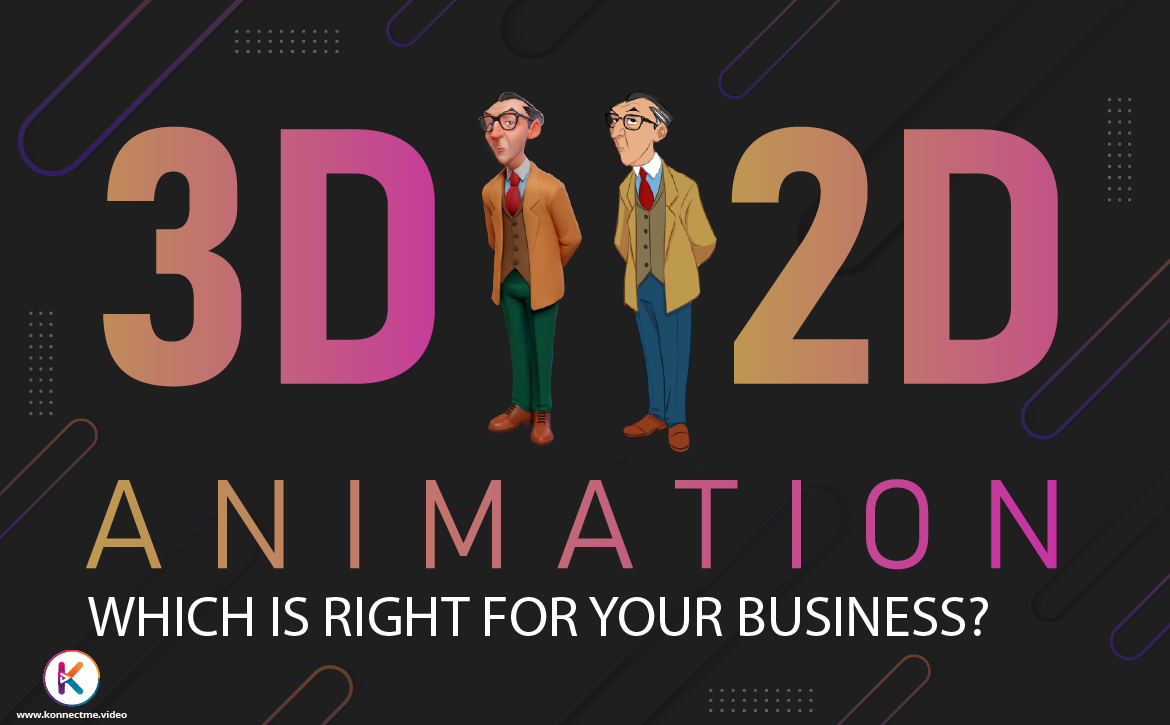
    In today’s digital age, animation has become an essential tool for businesses to engage with their target audience and deliver compelling visual content. Whether it’s for marketing campaigns, explainer videos, or product demonstrations, animation offers a dynamic and captivating way to convey information. However, when it comes to choosing between 2D and 3D animation, businesses often find themselves at a crossroads. In this blog, we will explore the key differences between 2D and 3D animation and help you determine which option is best suited for your business.

    Understanding 2D Animation

    2D vs. 3D Animation: Which is Right for Your Business?

    In today’s digital age, animation has become an essential tool for businesses to engage with their target audience and deliver compelling visual content. Whether it’s for marketing campaigns, explainer videos, or product demonstrations, animation offers a dynamic and captivating way to convey information. However, when it comes to choosing between 2D and 3D animation, businesses often find themselves at a crossroads. In this blog, we will explore the key differences between 2D and 3D animation and help you determine which option is best suited for your business.

    Understanding 2D Animation

    2D animation refers to the traditional style of animation that has been around for decades. It involves creating movement and depth in a two-dimensional environment, using techniques such as hand-drawn illustrations, vector graphics, and computer software. 2D animation is characterized by its flat and stylized visuals, making it ideal for conveying simplicity, charm, and nostalgia. It can be used effectively for storytelling, character-driven narratives, and conveying abstract concepts.

    Advantages of 2D Animation

    Realism and depth: 3D animation allows for a higher level of realism and depth. It can replicate real-world physics, lighting effects, and textures, creating a visually stunning and immersive experience for the viewers.

    Flexibility and versatility: 3D animation provides a wide range of possibilities in terms of camera angles, character movements, and environmental settings. It enables businesses to showcase their products or services from multiple perspectives, giving customers a comprehensive understanding of what they have to offer.

    Future-proofing: As technology advances, the demand for 3D animation continues to grow. By embracing 3D animation, businesses can position themselves at the forefront of innovation and remain competitive in an evolving market.

    Choosing the Right Option for Your Business to determine which animation style is right for your business, consider the following factors:


    Target audience:
    Analyze your target audience and their preferences. Consider the age group, interests, and expectations of your target market. If your audience appreciates simplicity and a more nostalgic feel, 2D animation may be the way to go. On the other hand, if you are targeting a tech-savvy and visually sophisticated audience, 3D animation may be more effective.

    Purpose and context: Consider the purpose and context of your animation. If you are aiming to explain a complex concept or showcase intricate product details, 3D animation might be the better choice. However, if your goal is to create a memorable brand mascot or tell a heartwarming story, 2D animation can be highly effective.

    Budget and timeline: Evaluate your budget and timeline constraints. While 3D animation tends to be more resource-intensive, it can deliver a higher level of visual quality. If you have limited resources or need a quicker turnaround, 2D animation may be a more viable option.

    Conclusion

    Both 2D and 3D animation offer unique benefits and can be valuable assets for your business. Understanding the distinctions between the two styles and aligning them with your specific requirements will help you make an informed decision. Consider factors such as your target audience, purpose, budget, and timeline to determine which animation style best aligns with your business goals. Whether you choose the charm and simplicity of 2D animation or the realism and depth of 3D animation, incorporating animation into your marketing and communication strategies can undoubtedly elevate your brand and captivate your audience.

    Understanding 2D Animation